How Money Moves on tk999: A User’s Money Map
How Money Moves on tk999: A User’s Money Map
Signing up is the easy part. The question that usually comes next, and the one that actually shapes whether an online betting habit stays manageable, is simpler and more practical: how does money actually move in and out? For anyone using tk999, a betting platform built for Bangladeshi users, the answer runs through the same mobile financial habits people already rely on every day — bKash, Nagad, Rocket and, for some, a bank card. This walkthrough is written from a personal-finance angle: fees, timing, limits and record keeping, not hype. If you treat your betting wallet the way you treat any other digital wallet, the whole process becomes far less mysterious.
Why the Money Flow Matters More Than the Interface
Most reviews of betting platforms spend their energy on game selection or odds. That is fine, but it misses the part that affects your actual bank balance. The interface is just a window; the money flow is the plumbing behind it. On tk999, deposits and withdrawals are handled through local mobile financial services and, where supported, cards or bank transfers. That means the speed and cost of moving money depends less on the platform itself and more on the channel you choose and the time of day you choose it.
Think of it like this: a deposit is you pushing money into a wallet. A withdrawal is you pulling money back out. Both directions have their own rules, their own typical delays and their own record-keeping needs. Understanding those rules in advance is what separates a calm user from a frustrated one. It also helps you spot problems early — a missing confirmation SMS, a withdrawal that has not landed after an unusual delay, or a fee you did not expect.
One more reason this matters: Bangladeshi users often move money across several apps in a single day. Your bKash balance, your Nagad balance and your betting wallet are three separate ledgers. If you do not keep them straight, you can easily lose track of what you actually spent. A little discipline here goes a long way.
Deposits: Getting Money Into Your Account
The deposit side is usually the smoother of the two, because you are the one initiating the transfer and you can see the result immediately. The general pattern on tk999 looks like this: you open the cashier or wallet section, choose a payment method, enter the amount, and then confirm the payment inside your mobile financial app. In most cases the balance updates within a minute or two, though a slow network or a busy hour can stretch that.
Here is what a personal-finance-minded user should watch for:
Minimums and maximums. Every channel has a floor and a ceiling. A very small deposit may be rejected by the mobile wallet itself, not by the platform. A very large one may need to be split into two transactions. Knowing these numbers before you start saves you a failed attempt.
Fees. Mobile financial services in Bangladesh often charge a small cash-out or send-money fee. That fee is set by the wallet provider, not by the betting platform, and it applies whether you are depositing or withdrawing. Read the confirmation screen before you tap approve — the fee is usually shown there.
Reference or transaction ID. This is the single most important thing to save. If a deposit does not reflect, the transaction ID is what support will ask for first. Screenshot it. Every time.
Timing. Deposits made late at night or during a major match can take longer to confirm because both the wallet network and the platform are busier. If you can, deposit well before you plan to play rather than in the final minutes.
A useful habit is to make one deposit, confirm it landed, and only then make a second. Chaining three quick deposits is the fastest way to create a confusing paper trail if something goes wrong.
Withdrawals: Timing, Limits and Patience
Withdrawals are where most questions arise, and rightly so — this is your money coming back to you. The process on tk999 generally mirrors the deposit flow in reverse: you request a withdrawal, choose the same or a supported destination wallet, enter the amount, and submit. From there, the request is reviewed and then paid out to your mobile wallet or bank account.
Three factors drive how long it takes:
Verification status. If your account details are not fully verified, a withdrawal may sit in a pending state until that is resolved. Completing verification early, before you ever need to withdraw, is the single best way to avoid delays.
Channel speed. Mobile wallet payouts are typically faster than bank transfers. Bank transfers can involve processing windows that exclude weekends and public holidays, so a Friday evening request may not move until the next working day.
Amount size. Larger withdrawals sometimes go through additional checks. This is normal and is a fraud-prevention measure, not a sign that something is wrong. If you plan a large withdrawal, request it during working hours and keep your transaction records handy.
On fees, the same principle as deposits applies: the wallet provider’s cash-out charge is separate from anything the platform does. Factor that into your mental math. If you deposit 1,000 and withdraw 1,000, you may still be slightly down because of provider fees on both ends. That is simply the cost of moving money through mobile financial services, and it is worth knowing before you assume a balance is wrong.
Fees, Limits and the Real Cost of Moving Money
Let us put the cost picture together plainly. There are three places money can be trimmed:
The mobile wallet’s own charges, which apply on sends and cash-outs. These vary by provider and by amount, and they are outside anyone’s control but your own choice of channel.
Any platform-side minimums or processing rules, which affect how much you can move at once rather than taking a cut.
Currency and rounding effects, which are usually minor but can add up if you make many small transactions instead of a few larger ones.
The practical takeaway is to consolidate. Instead of five deposits of 500, consider one deposit of 2,500 if your budget allows and your limits permit. Fewer transactions mean fewer fees and a much cleaner record. The same logic applies to withdrawals: one larger request is usually cheaper and easier to track than several small ones.
It also helps to set a personal monthly cap — an amount you are genuinely comfortable moving through the platform — and treat it like any other line in your budget. A betting wallet is not a savings account. Money that sits there is money you have chosen to spend, not money you have parked.
Keeping Your Own Records: A Simple System
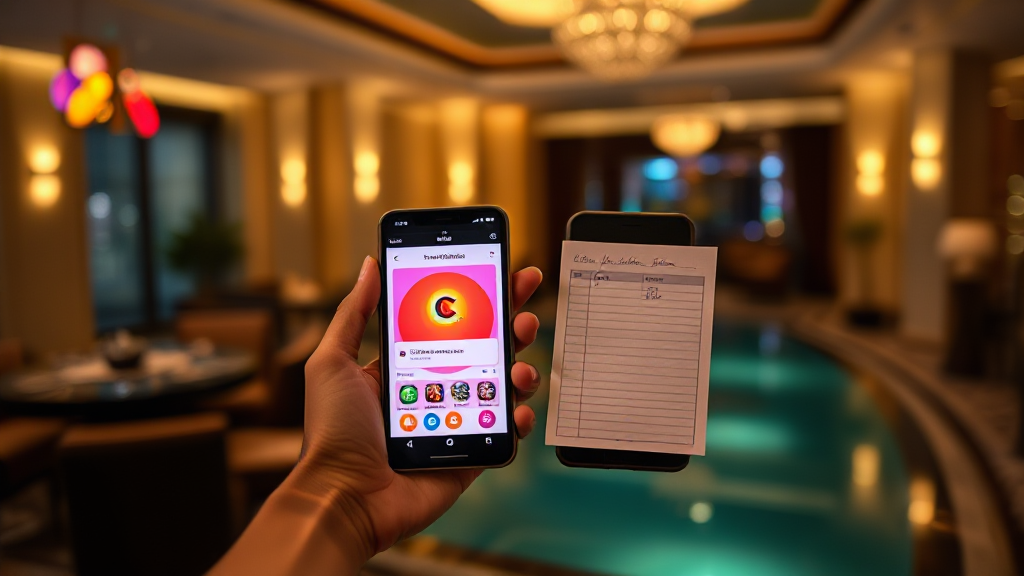
This is the section most people skip, and it is the one that pays off the most. You do not need accounting software. You need a single note on your phone or a small notebook, and four columns: date, direction (deposit or withdrawal), amount, and transaction ID.
Log every movement the moment it happens. It takes about fifteen seconds. In return you get three things:
A running balance you trust. When the platform shows one number and your gut says another, your log settles the argument.
Fast support conversations. If you ever need to raise an issue, you can paste the transaction ID and date immediately instead of scrolling through old SMS messages.
Honest self-awareness. Seeing a month of deposits in one column is sobering in a useful way. It is much harder to overspend when the total is written down in front of you.
Two extra habits are worth building. First, screenshot every confirmation screen and keep those images in a single album. Second, reconcile once a week — compare your log against your wallet statements and the platform balance. Five minutes weekly prevents a month of confusion later.
If you share a phone or a wallet with family members, be especially careful to label transactions clearly. A deposit that looks like a random send to an unfamiliar recipient is the kind of thing that causes unnecessary worry at home.
Practical Habits That Keep the Money Map Clean
Pull it all together and a few habits do most of the work. Use one wallet channel consistently rather than switching between three, because consistency makes your records readable. Complete verification before you need it, not during a withdrawal. Deposit before you play, not mid-session. Keep every transaction ID. Set a monthly cap and stick to it. And treat provider fees as a real cost, not a rounding error.
None of this is complicated, but it is deliberate. The people who get frustrated with online betting finances are usually the ones who never wrote anything down and never checked a fee screen. The people who stay calm are the ones who treat the wallet like a wallet. On tk999, the mechanics are straightforward; the discipline is what you bring to them.
সচরাচর জিজ্ঞাসিত প্রশ্ন
টাকা জমা করতে কত সময় লাগে?
সাধারণত এক থেকে দুই মিনিটের মধ্যে ব্যালেন্স আপডেট হয়, তবে ব্যস্ত সময়ে বা ধীর নেটওয়ার্কে কয়েক মিনিট বেশি লাগতে পারে। লেনদেন আইডি সংরক্ষণ করা জরুরি।
উইথড্র করতে কেন দেরি হয়?
অ্যাকাউন্ট ভেরিফিকেশন সম্পূর্ণ না থাকলে, ছুটির দিনে ব্যাংক ট্রান্সফার হলে, বা বড় অঙ্কের অনুরোধে অতিরিক্ত যাচাই হলে দেরি হতে পারে।
ফি কে নেয়?
মোবাইল ওয়ালেট সেবাদাতা (যেমন বিকাশ, নগদ, রকেট) সাধারণত সেন্ড বা ক্যাশ-আউটে ছোট একটি ফি নেয়। এটি প্ল্যাটফর্ম নয়, ওয়ালেট প্রদানকারী নির্ধারণ করে।
নিজের হিসাব কীভাবে রাখব?
প্রতিটি লেনদেনের তারিখ, ধরন, পরিমাণ ও ট্রানজেকশন আইডি একটি নোটে লিখে রাখুন এবং কনফার্মেশন স্ক্রিনশট সংরক্ষণ করুন। সপ্তাহে একবার মিলিয়ে নিন।